ABA Therapy in Florida for Children: A Gentle Guide for Families Seeking Support
ABA Therapy in Florida for Children: A Gentle Guide for Families Seeking Support
When a family begins looking for support for their child’s development, it is normal to have many questions: What type of therapy does my child need? When should we start? How do I know if therapy can help? What options are available in Florida?
One of the most well-known therapies for children with autism or developmental needs is ABA therapy, which stands for Applied Behavior Analysis.
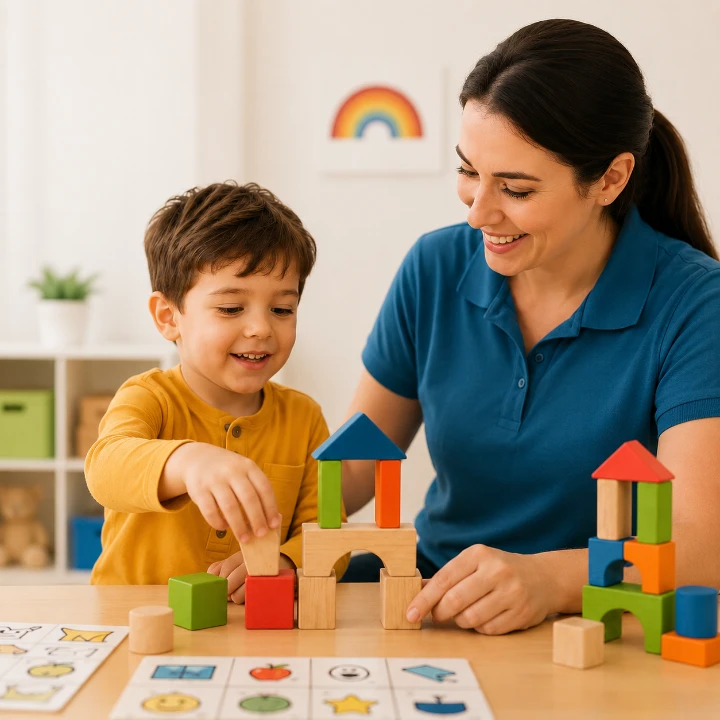
ABA therapy focuses on understanding how each child learns and how important daily life skills can be strengthened. The goal is not to change who the child is, but to support them with patience, structure, and helpful tools so they can communicate better, build independence, connect with others, and manage certain behaviors in a more positive way.
According to the CDC, approximately 1 in 31 children aged 8 years in the United States has been identified with autism spectrum disorder, based on recent data from the ADDM Network. The CDC also explains that autism can occur across all racial, ethnic, and socioeconomic groups, and it is diagnosed more often in boys than in girls.
This is why early identification and proper support are so important. The CDC recommends that all children receive autism-specific developmental screening during well-child visits at 18 and 24 months. This does not mean every child will need therapy, but it can help families identify early signs and access support when needed.
In Florida, many families look for ABA therapy as part of their child’s support plan. Florida Medicaid covers Behavior Analysis services for eligible recipients under 21 years old when the services are medically necessary.
ABA therapy may help children work on areas such as:
Communication: helping the child express what they need, feel, or want.
Social skills: practicing turn-taking, shared play, interaction with other children, and participation in daily activities.
Independence: learning routines such as getting dressed, eating, following instructions, or completing small tasks.
Behavior support: understanding what may be causing certain behaviors and teaching more functional alternatives.
Daily learning: building skills step by step while respecting each child’s pace and individual needs.
It is important for families to remember that every child is different. A strong ABA therapy program should be individualized, respectful, and focused on improving the quality of life of the child and their family. Parents should also feel comfortable asking questions, participating in the process, and working together with trained professionals.
Seeking help does not mean something is “wrong” with your child. It means you are taking a caring step toward understanding their needs and giving them more tools to grow with confidence, love, and support.
If you live in Florida and are exploring ABA therapy options for your child, getting informed is the first step. Speaking with your pediatrician, observing developmental milestones, and learning about available resources can help you make decisions with more confidence.
Looking for Exceptional ABA Therapy Services?
We provide personalized and compassionate care to support your child’s growth and learning. Visit our homepage to learn more about our programs and start your journey today.
Visit Homepage